
You are someone’s good wolf.
Put on your little red cape – the sequel?

I was going to offer another (final?) installment in the wolf saga, and Little Red Riding Hood came to mind, but then I realized she didn’t actually save her grandmother from the wolf. She went on her merry way and left her granny to cope (unsuccessfully) on her own (which is part of my message today).
The Brothers Grimm did write a sequel in which Red and her grandmother team up to conquer the next wolf who comes after them, but that still didn’t capture the hero-helper moral I most want to focus on in this edition, so…I guess we’ll sort-of move on from the wolf allegory.
I’ve said (and will say and lots and lots of experts say) that community is essential. An effective strategy for fighting off the internal dire wolves and for coping with the real life tragedy wolves is to lean into social support.
An oft-repeated Fred Rogers quote that is shared in times of trouble is, “Look for the helpers.” Even in the darkest times, hope and comfort can be found in the helpers.
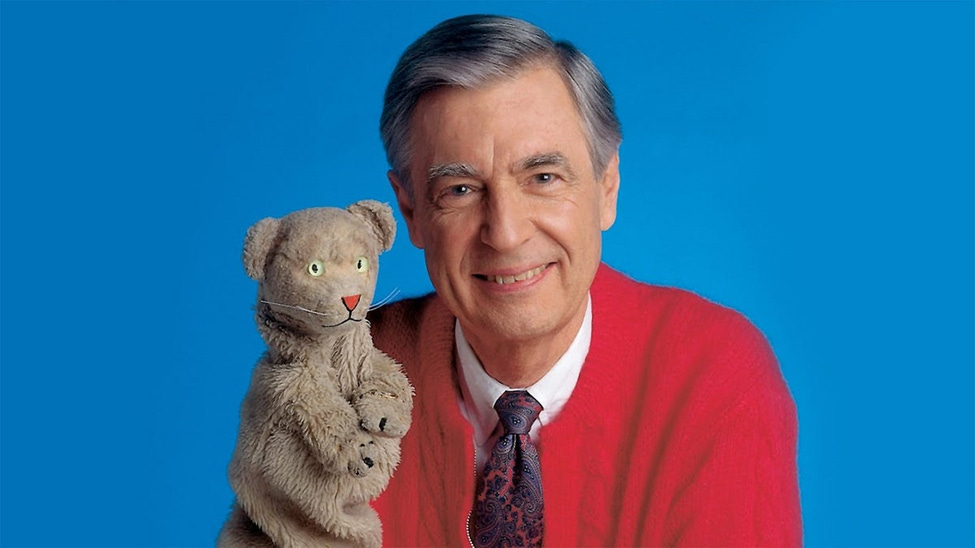
Well…look in the mirror. You are the helper.
That community I’ve mentioned….guess what: You are it!
When people in your lives are struggling and suffering, you can and must step up. Don’t be the original-story Red leaving friends and family to face the horror on their own.
Encourage
I’m sure that you do help others. But, I bet there are times when you haven’t and you could have. I encourage you to challenge any reason you have for not stepping up.
· I don’t know what to do.
· There’s nothing I can do.
· They’ve built a wall around themselves so I don’t think they really want my help.
· They’re so incredibly strong that they don’t need my help.
· Their challenge is so overwhelming that it’s freaking me out.
· They have so many people in their life that my efforts wouldn’t make any difference.
All of those voices – and any similar ones – are bad wolves that you must not feed.
I strongly encourage you to starve those wolves and actively feed your good wolves.
· I can ask.
· I can do something.
· I can knock on the gate or even, if that’s the only option, throw some provisions over their wall.
· I can know that even the strongest person needs help when they are under siege.
· I can understand my own boundaries and find ways to help that don’t harm me.
· I can support the helpers who are already stepping up, and I can acknowledge that every morsel of love and kindness makes a difference.
People who are facing challenges need you. Your help matters – probably much more than you can even imagine. Everything – anything – you do makes a difference.
Be the helper!
Educate
Allostatic Load
The threat and harm of all of the internal dire-wolves and the real-life wolves accumulate and result in some degree – sometimes literally a lethal degree – of physiological dysregulation. The measure or picture of all of that stress-incurred dysregulation is known as allostatic load.

Researchers have documented the impact of allostatic load on cardiovascular, metabolic, inflammatory, and neuroendocrine systems. The health outcomes associated with allostatic load are both direct and indirect. Life continuously adds stressors to our allostatic loads. Some of those are are simply the weight of managing all of the routine demands of life and some are the cost of additional burdens - societal or systemic ones or personal crises (i.e. real life wolves).
When someone is dealing with a life tragedy, their allostatic load is quickly over-capacity. Even the simplest and most routine of life’s tasks is impossible to manage, because they are already over their weight-limit.
Social Support
We were not designed to do it all ourselves and to go it alone.
For much of history and in many cultures today, the collective shouldered some of the weight. Childcare was a community responsibility. One partner or family member worked full time to provide financial resources and the other took care of the children and the household. Our family lived nearby or we were close to our neighbors, and we knew that we could count on them to step up and step in when we faced a crisis.
But, those are not today’s norms for many of us. The reality for many people is that there is little or no social support, and we’ve learned not to expect it. Our dire wolves have been fed a steady diet of harmful messages: It’s all our responsibility and it’s our fault if we’re overwhelmed and stressed. If we can’t handle things, it means we, personally, are not dealing with things effectively. The happily-ever-after dream is possible and if we’re not living it, it’s due to some failing on our part - not because sometimes (eventually) life will throw us insurmountable challenges and it’s simply impossible to cope with those on top of managing all of the regular stressors that we face, especially if we have insufficient support.
But, I get by with a little help from my friends.
The bottom line is that we need each other.
Altruism
Altruism – by definition – is selfless behavior that helps other people. The “selfless” part of the definition is up for debate, because research suggests that altruistic deeds actually benefit both the giver and receiver.
Doing good for others feels good. It boosts our self-esteem. It decreases our stress. It can reduce anxiety and depression. It feeds our good wolves. It inspires other people to jump in and help, too, so we can, collectively, strengthen our good wolf packs.
“A good way to overcome stress is to help others out of theirs.”
―Dada J. P. Vaswani
Empower
Research evidence concludes that support matters! No matter what your bad-wolf inner voices are telling you, you can make a difference!
A friend and I were talking about how incredibly difficult it is to offer help when you know that the trial someone is facing is – quite literally – unsolvable. A terminal illness. The loss of a loved one. A lifetime of unrelenting pain.
What can you do when it’s impossible to fix things?
Well, the same things you do - or could do - when things are overwhelming but not life-threatening. Don’t wait until people are in crisis to be there for them.
“Social support refers to the psychological and material resources provided by a social network to help individuals cope with stress.”
Psychological
You lend the listening ear, even when it’s uncomfortable (or annoying) to hear what they have to say.
You provide the shoulder to cry on.
You get over your social-constraints and give them a hug – lots of hugs.
You literally hold their hand.
You send the flowers or the card or the stuffed Warmie.
Material
This one can be easy to write off, but I know from personal experiences that it can make all the difference!
Consider allostatic load.
Even at the best of times, life is demanding. At the most basic level, you must feed and clothe and house yourself – and, possibly your family. You have to deal with transportation and all of its headaches. You’ve got to grocery shop, do your laundry, pay your bills, and go to the doctor or dentist – which is stressful even if it’s all good news.
When someone is way over their physical and emotional resources budget because they’re in the midst of a crisis-level challenge (possibly a long, long term challenge), having someone take just one of those normal, daily demands off their plate can make a tremendous difference.
· Take their kid to school.
· Babysit.
· Do a few loads of laundry.
· Bring or send a meal. (There’s a good reason people bring casseroles to funerals or set up a meal-chain for people when things are tough.)
· Drive them to their doctors’ appointments.
· Door dash some groceries to them. Or, bring the groceries yourself and put them away for them.
· Pick up their prescriptions for them.
· Walk their dog.
· Ask them to forward you a wish-list or send them a gift-card to help them buy some necessities – or even “unnecessary” treats – when they’re dealing with a financial threat (for example, due to climate disasters or medical bills.)
Share some ideas. When you were way over your head, what are some things people did that helped – even (or maybe especially) if they thought they were small, no-big-deal things?
Trust
I’ve been reading several stories lately about people who were gratified by offers of help right after a tragedy, and then left hurt and frustrated when the assistance stopped – or never actually materialized.
Grief doesn’t have a time limit. Difficult times often last much longer than we think they will. Someone’s needs typically aren’t convenient to meet – especially after an initial burst of “I want to help” energy has been muffled by your own life-demands. People often hide the fact that they’re still struggling when they hear (or have internalized) “time to get over it” messages.
If you’ve said you’ll regularly provide some help – first, be clear about when and how you’ll do that – and then follow through. Wondering whether or not someone is going to show up is a huge contributor to allostatic load.
Be generous in your generosity. Give with no strings attached, no expectations, no guilt – or don’t give at all. Recipients must be able to trust in your full and genuine willingness to help - otherwise you’re just unintentionally adding burdens.
Be the good wolf
The key take-away here is that anything and everything you do makes a difference. You can be the good wolf. And, you can feed the good wolves – your own and those of people who are being overwhelmed by internal and real-life dire wolves.
We need each other. And, we can and (though I hate this word) should be there for each other.
Be the good you wish to see in this world.
~
Eileen
Even the “small” acts of care we do can mean so much. Thank you for this grounding piece of the impact we all carry!
I needed this right now.